

Technology has become one of the most powerful forces shaping the modern world. What began as simple tools designed to make human tasks easier has evolved into complex digital systems that influence nearly every aspect of life. From communication and business to healthcare and education, technology is redefining how societies function and how individuals interact with their environment. As innovation accelerates, understanding the broader impact of technology is essential for navigating the future.
From Tools to Intelligent Systems
Early technological advancements focused on mechanical efficiency. The industrial era introduced machines that amplified human labor, transforming production and transportation. In contrast, today’s technological revolution is driven by intelligence rather than strength. Software, data, and algorithms now form the backbone of innovation.
Artificial intelligence (AI), machine learning, and automation enable systems to analyze vast amounts of data, learn from patterns, and make decisions with minimal human intervention. These capabilities are reshaping industries by improving accuracy, speed, and scalability. Technology is no longer just a support system—it is an active participant in decision-making processes.
The Digital Transformation of Everyday Life
Digital technology has fundamentally altered how people live and communicate. Smartphones, cloud services, and high-speed internet provide constant access to information and services. Tasks that once required physical presence—banking, shopping, education, and work—can now be completed from almost anywhere.
Remote work technologies, collaboration platforms, and virtual meeting tools have redefined productivity and workplace culture. Companies can access global talent pools, while employees enjoy greater flexibility. However, this shift also raises concerns about work-life balance, digital fatigue, and the erosion of traditional boundaries between professional and personal life.
Data as the New Currency
Data is often described as the most valuable resource of the digital age. Every online interaction generates data that can be analyzed to improve products, personalize experiences, and inform strategic decisions. Businesses rely on data-driven insights to understand customer behavior, optimize operations, and gain competitive advantages.
At the same time, the growing reliance on data raises critical questions about privacy, security, and ownership. High-profile data breaches and misuse of personal information have increased public awareness of digital rights. As a result, governments and organizations are implementing stricter data protection regulations, forcing the tech industry to balance innovation with ethical responsibility.
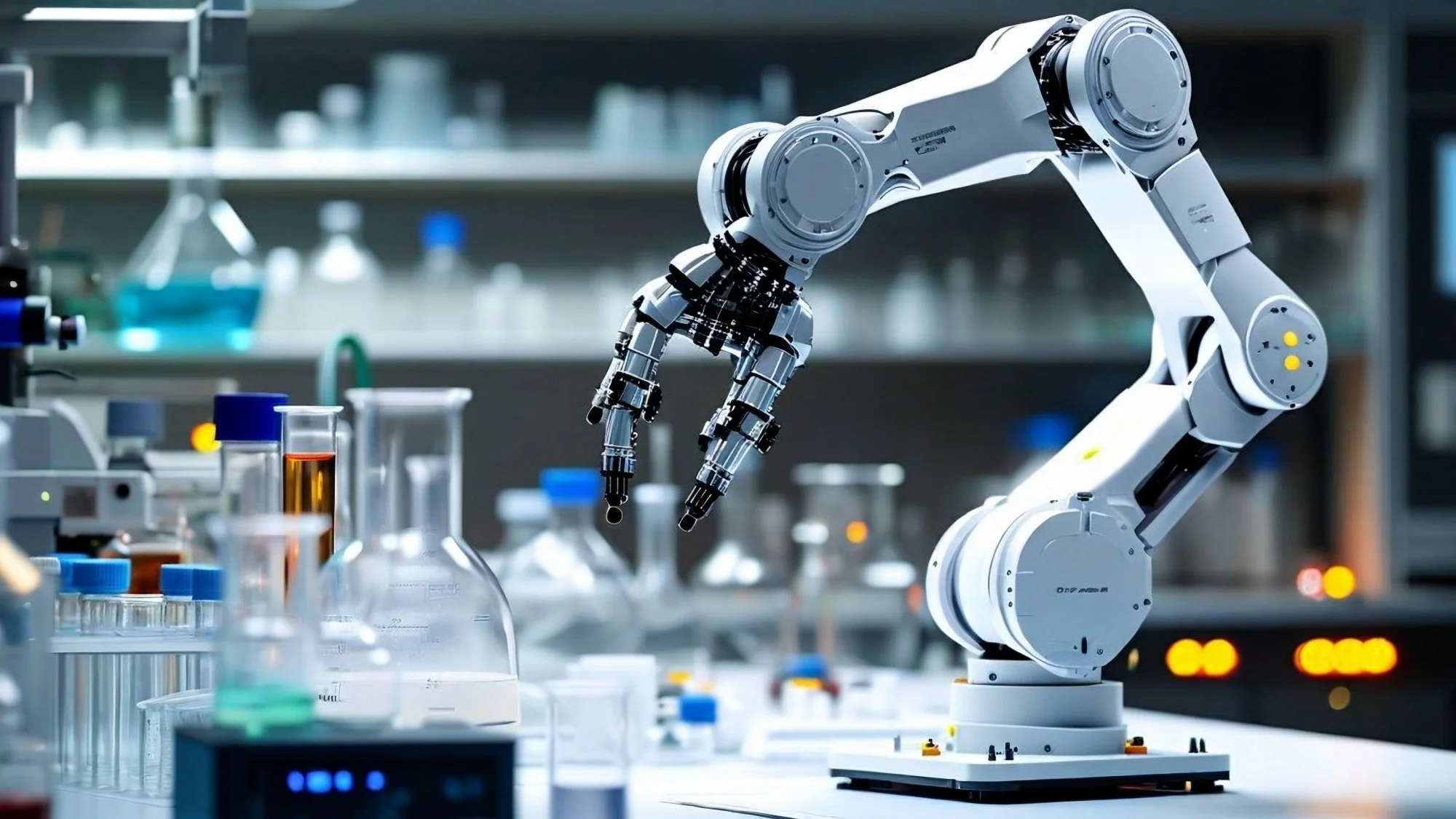
Artificial Intelligence and Automation
Artificial intelligence is one of the most transformative technologies of the 21st century. AI-powered systems are now used in healthcare diagnostics, financial forecasting, customer service, and autonomous vehicles. Automation is streamlining repetitive tasks, allowing human workers to focus on creativity, strategy, and problem-solving.
While AI promises increased efficiency and economic growth, it also presents challenges. Job displacement, algorithmic bias, and lack of transparency are ongoing concerns. The future of work will depend on how societies manage the integration of AI, ensuring that technological progress benefits a broad range of people rather than a select few.
Cybersecurity in an Interconnected World
As technology becomes more integrated into daily life, cybersecurity has emerged as a critical priority. Businesses, governments, and individuals are increasingly vulnerable to cyberattacks, data theft, and digital disruption. The expansion of the Internet of Things (IoT) has further increased the number of connected devices, creating new entry points for cyber threats.
Cybersecurity is no longer just a technical issue—it is a strategic and societal one. Trust in digital systems depends on their ability to protect sensitive information and ensure reliability. Organizations are investing heavily in security infrastructure, employee training, and risk management to safeguard digital ecosystems.
Innovation in Emerging Technologies
Beyond AI, several emerging technologies are poised to redefine the future. Blockchain technology offers new ways to secure transactions, increase transparency, and decentralize control. While commonly associated with cryptocurrencies, blockchain applications extend to supply chain management, digital identity, and intellectual property protection.
Augmented reality (AR) and virtual reality (VR) are transforming entertainment, education, and training by creating immersive experiences. Quantum computing, though still in early development, promises to solve complex problems beyond the capabilities of classical computers, potentially revolutionizing fields such as materials science, cryptography, and medicine.
Technology and Sustainability
Technology plays a crucial role in addressing global sustainability challenges. Innovations in clean energy, smart infrastructure, and resource management are helping reduce environmental impact and improve efficiency. Smart cities leverage sensors and data analytics to optimize traffic, energy consumption, and public services.
However, the tech industry itself faces sustainability challenges, including electronic waste, energy-intensive data centers, and resource extraction. Responsible innovation requires a holistic approach that considers the full lifecycle of technology products and their environmental footprint.
Ethical Considerations and Social Impact
As technology grows more powerful, ethical considerations become increasingly important. Issues such as surveillance, digital inequality, and algorithmic decision-making raise fundamental questions about fairness and human rights. Access to technology remains uneven, creating a digital divide that limits opportunities for many communities.
Tech companies, policymakers, and developers share responsibility for ensuring that technology serves the public good. Transparent governance, inclusive design, and ethical frameworks are essential for building trust and ensuring long-term social benefits.
The Future of Technology
The pace of technological change shows no sign of slowing. Innovations will continue to blur the boundaries between the physical and digital worlds, creating new possibilities and challenges. Human-centered design and collaboration across disciplines will be key to harnessing technology’s full potential.
Rather than viewing technology as an external force, societies must actively shape its development. Education, regulation, and public dialogue play critical roles in aligning technological progress with human values.

Conclusion
Technology has become an integral part of modern life, influencing how people work, communicate, and solve problems. Its impact extends far beyond gadgets and software, shaping economies, cultures, and social structures. While technological innovation offers immense opportunities, it also demands careful consideration of ethical, social, and environmental implications.
By embracing responsible innovation and prioritizing human well-being, societies can ensure that technology remains a tool for progress rather than division. The future of technology is not just about what can be built, but about how wisely it is used to create a more connected, equitable, and sustainable world.