Technology has changed nearly every industry — from finance and healthcare to marketing and logistics. But one sector that has undergone a quiet yet significant transformation is property maintenance. What was once a purely manual process is now powered by drones, thermal imaging, digital modeling, and AI-assisted analysis.
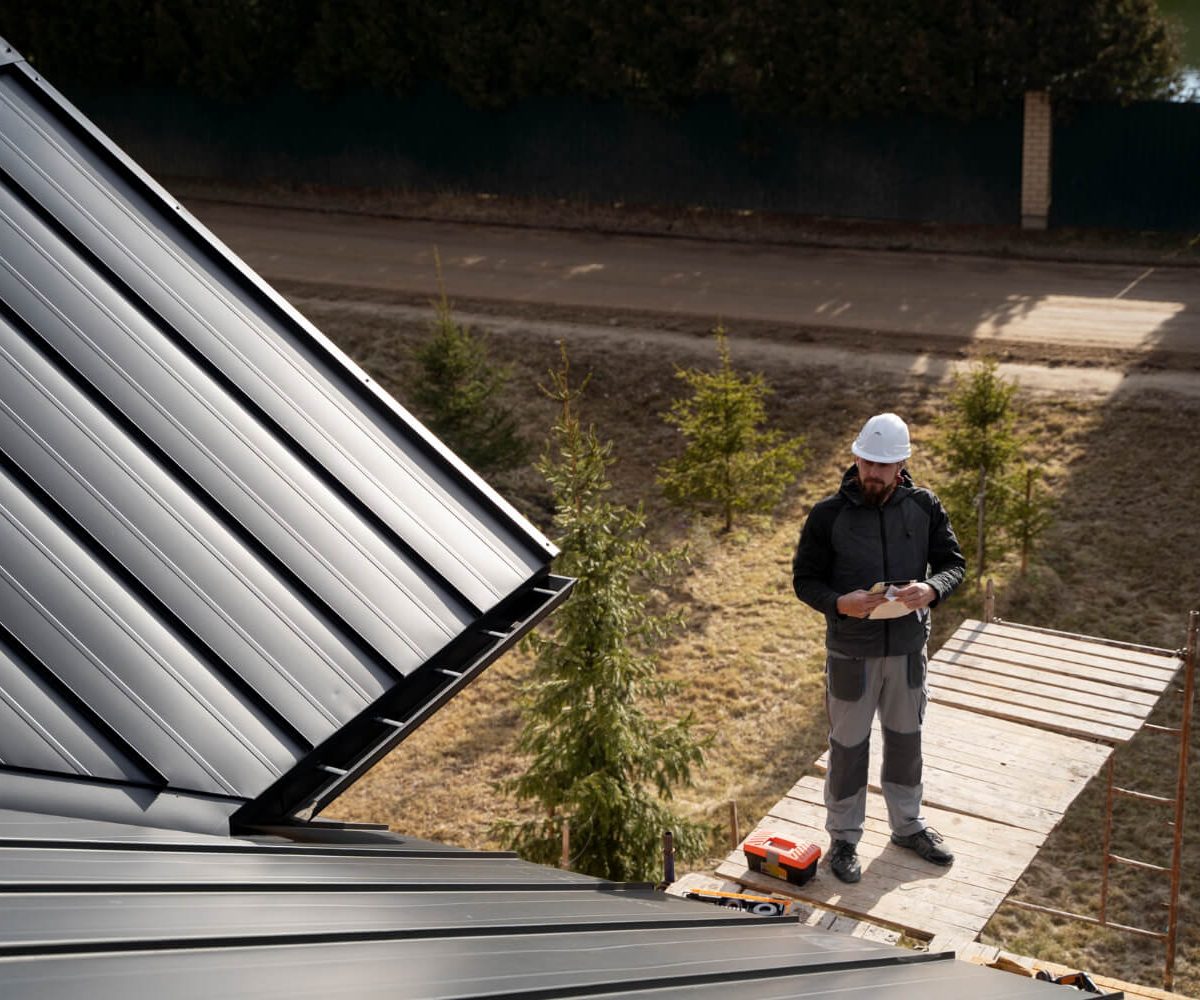
Today, a professional roof inspection is no longer just someone climbing a ladder with a flashlight. It is a data-driven evaluation process that combines advanced tools, digital reporting, and predictive assessment to protect property investments.
For homeowners and property managers, especially in storm-prone regions like Florida, technology has redefined what it means to assess and protect a building’s structural integrity.
From Ladders to Drones: The Evolution of Roof Assessment
Traditionally, roof evaluations relied entirely on visual inspection. Contractors would manually examine shingles, flashing, gutters, and structural components, documenting visible wear and tear.
While this method worked, it had limitations:
-
Human error
-
Limited visibility in hard-to-reach areas
-
Safety risks
-
Surface-level analysis only
Today, drone technology has revolutionized the process.
High-resolution aerial imaging allows professionals to capture:
-
Detailed surface scans
-
Close-up imagery of damage
-
Structural irregularities
-
Storm impact zones
Drones provide safer access, faster results, and more comprehensive documentation.
This shift reflects a broader technological trend: replacing manual guesswork with precision imaging and digital data capture.
Thermal Imaging and Moisture Detection
One of the biggest challenges in structural evaluation is identifying hidden damage. A roof may appear intact while internal moisture accumulates beneath the surface.
Thermal imaging technology detects temperature variations that indicate:
-
Water intrusion
-
Insulation gaps
-
Ventilation inefficiencies
-
Energy loss zones
These tools allow professionals to identify issues before visible symptoms appear inside the home.
In tech terms, it’s similar to backend monitoring systems that detect server instability before a website crashes. Early detection minimizes disruption and prevents costly repairs.
Digital Reporting and Cloud Documentation
Another major advancement is digital documentation.
Modern inspection services now generate:
-
Detailed photo reports
-
Timestamped documentation
-
Annotated damage mapping
-
Cloud-stored records
-
Insurance-ready assessments
Instead of handwritten notes, property owners receive structured digital reports that can be shared instantly with insurers, contractors, or real estate agents.
This level of transparency improves decision-making and reduces disputes during insurance claims.
It also aligns with the broader tech trend toward automation, data storage, and seamless information sharing.
AI and Predictive Analysis in Property Maintenance
Artificial intelligence is entering the property maintenance space in powerful ways.
Some advanced systems now use AI-driven software to analyze:
-
Roof age
-
Material condition
-
Weather exposure data
-
Historical storm patterns
-
Structural stress indicators
By combining environmental data with structural information, predictive models can estimate lifespan expectancy and recommend maintenance timelines.
This allows homeowners to move from reactive repairs to proactive planning.
Predictive technology reduces uncertainty — a core advantage in both digital and physical asset management.
Smart Homes Require Structural Intelligence
Smart home technology often focuses on connected devices: thermostats, cameras, lighting systems, and voice assistants.
However, true smart infrastructure begins with structural reliability.
A technologically advanced home must integrate:
-
Durable roofing materials
-
Proper ventilation systems
-
Weather-resistant sealing
-
Energy-efficient insulation
Without structural integrity, digital innovation loses its foundation.
Roofing technology now includes impact-resistant materials engineered for hurricane zones, reflective coatings that reduce heat absorption, and improved underlayment systems that enhance waterproofing.
These innovations combine material science with engineering precision.
Climate Tech and Regional Adaptation
In coastal regions, roofing systems face extreme environmental stress:
-
High UV exposure
-
Salt air corrosion
-
Heavy rainfall
-
Hurricane-force winds
Modern technology allows inspection professionals to assess region-specific vulnerabilities.
Geospatial weather data, satellite tracking, and environmental analytics provide insights into how climate patterns affect structural durability.
This intersection of climate tech and construction reflects a growing trend: using environmental data to guide infrastructure decisions.
The result is smarter, more resilient building strategies.
Insurance, Compliance, and Regulatory Technology
Another area where technology plays a critical role is compliance.
Insurance companies increasingly require documented proof of structural condition, especially in high-risk states.
Digital inspection tools streamline this process by:
-
Providing verifiable evidence
-
Generating compliance-ready reports
-
Tracking maintenance history
-
Supporting underwriting decisions
RegTech (regulatory technology) is often associated with finance, but it now extends into construction and property industries as well.
Clear digital documentation reduces disputes, accelerates claims processing, and supports smoother real estate transactions.
Energy Efficiency and Sustainability
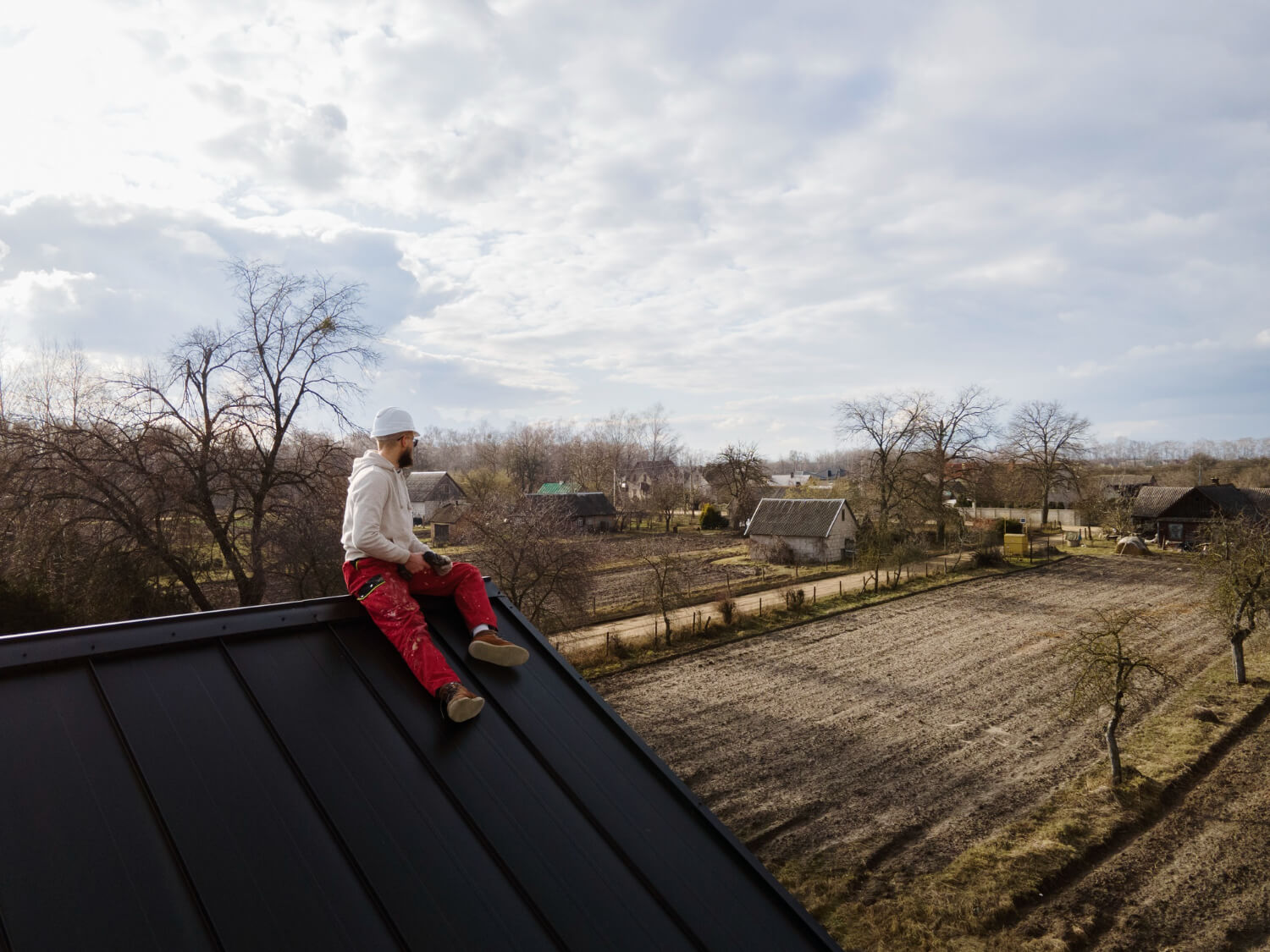
Modern roof systems contribute significantly to energy performance.
Technology-driven assessments can identify:
-
Heat absorption issues
-
Poor ventilation performance
-
Insulation inefficiencies
-
Solar integration compatibility
Reflective roofing materials reduce cooling costs in hot climates. Advanced ventilation improves indoor air quality. Proper sealing minimizes energy waste.
Sustainability is no longer a niche concept — it is a central consideration in modern infrastructure planning.
Structural evaluations now include energy performance analysis as part of a comprehensive review.
The Business Case for Technological Adoption
From a broader tech perspective, the roofing industry’s evolution mirrors digital transformation across sectors.
Industries that once relied solely on manual labor now incorporate:
-
Automation
-
Remote imaging
-
Cloud-based reporting
-
AI analytics
-
Environmental data integration
Companies that adopt these tools gain competitive advantage.
Property owners who choose technology-forward service providers benefit from more accurate assessments, improved safety, and long-term cost savings.
Technology reduces risk while increasing precision.
The Future of Roof Inspection Technology
Emerging innovations suggest that the next decade will bring even greater integration between technology and infrastructure.
Future developments may include:
-
AI-powered real-time monitoring sensors
-
Smart roofing materials with embedded diagnostics
-
Automated damage detection algorithms
-
Blockchain-based maintenance records
-
Integrated climate resilience modeling
As smart cities evolve, building-level diagnostics will likely become part of broader urban data ecosystems.
Structural monitoring may one day function like digital analytics dashboards — continuously tracking performance and alerting owners to potential issues.
Final Thoughts
Technology has reshaped how we build, maintain, and protect our environments.
What was once a simple manual check is now a sophisticated, multi-layered evaluation process supported by drones, AI, digital documentation, and environmental analytics.
In today’s world, infrastructure and technology are no longer separate domains.
A modern roof assessment reflects the same principles driving innovation across industries:
Precision.
Data.
Automation.
Predictive intelligence.
The future of property protection is undeniably tech-driven.